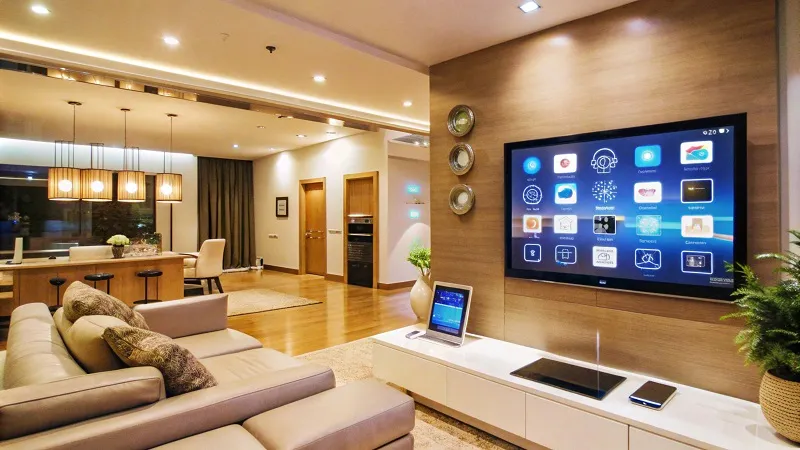
Modern homes are becoming more connected, convenient, and energy-conscious. Smart technology is no longer limited to expensive luxury properties. Homeowners can now choose from a wide range of devices that improve comfort, security, lighting, entertainment, and energy management without requiring a complete renovation.
The key is to choose technology that solves real household problems rather than adding devices simply because they are fashionable. A well-planned smart home should feel natural and easy to use while supporting the way people already live.
This guide explores decoradtech smart home ideas by decoratoradvice and explains how homeowners can introduce practical technology into different areas of their homes.
Understanding Smart Home Technology
A smart home uses connected devices that can communicate with one another and often be controlled through a smartphone, voice assistant, remote control, or automated schedule. These devices can include lights, thermostats, door locks, cameras, appliances, sensors, speakers, and more.
Instead of managing every device separately, homeowners can create routines that combine several functions. For example, a bedtime routine might switch off selected lights, adjust the thermostat, lock doors, and activate security equipment.
The best approach is to begin with everyday needs. Consider which tasks are inconvenient, repetitive, expensive, or difficult to manage manually. Those areas are often the best places to introduce smart technology.
Start With Smart Lighting
Lighting is one of the simplest ways to make a home smarter. Smart bulbs and switches allow homeowners to control lighting from a phone, schedule changes, or create different settings for various activities.
For example, bright lighting can be useful during cleaning or working, while softer illumination can create a relaxed atmosphere in the evening. Motion sensors can also turn lights on automatically in hallways, bathrooms, stairways, or entrances.
Another advantage is scheduling. Outdoor lights can be programmed to operate during specific hours, while interior lights can follow daily routines.
When selecting smart lighting, consider compatibility with existing fixtures and the preferred control method. A simple system can be enough for most homes, especially when homeowners gradually add more devices over time.
Improve Home Security With Connected Devices
Security is another practical area for smart technology. Video doorbells, smart cameras, door sensors, and connected locks can provide homeowners with greater visibility around their property.
A smart doorbell can notify a homeowner when someone approaches the entrance. Depending on the model, it may also provide two-way communication and video access through a mobile application.
Smart locks can offer alternatives to traditional keys. Some allow entry through codes, smartphones, or other approved methods. Temporary access codes can also be useful when family members, cleaners, or guests need to enter the property.
Security devices should be installed carefully and protected with strong passwords and updated software. Privacy settings should also be reviewed regularly, particularly for cameras placed around the home.
Create a More Efficient Heating and Cooling System
Heating and cooling systems can consume a substantial amount of energy in many households. Smart thermostats can help homeowners manage indoor temperatures according to schedules and daily routines.
Instead of keeping the same temperature throughout the day, a thermostat can adjust settings when residents are away and return to a preferred temperature before they arrive home.
Some systems can also provide information about energy use, helping homeowners identify patterns and make informed adjustments.
However, smart thermostats are most useful when they are compatible with the existing heating and cooling system. Homeowners should check installation requirements before purchasing one.
Make the Kitchen More Connected
The kitchen contains many appliances that can benefit from smart features. Connected ovens, refrigerators, coffee makers, dishwashers, and other appliances can provide additional control and convenience.
For instance, a smart oven may allow users to monitor cooking progress remotely, while a connected coffee maker can be scheduled to prepare coffee at a particular time.
Smart kitchen technology should still focus on practical benefits. There is little value in purchasing an expensive connected appliance if its additional features will rarely be used.
For homeowners planning a kitchen renovation, it can be helpful to consider smart appliances during the design stage. This makes it easier to plan power outlets, connectivity, storage, and placement.
Use Smart Plugs for Simple Upgrades
Not every appliance needs to be replaced with a smart version. Smart plugs can turn many ordinary devices into connected appliances.
A lamp, fan, television, or other compatible device can be connected to a smart plug and controlled through an app or schedule.
This makes smart plugs particularly useful for people who want to experiment with home automation without making major purchases.
They can also support routines. For example, a homeowner could schedule a lamp to turn on in the evening or switch off a device automatically at bedtime.
Always check the electrical rating of a smart plug before connecting appliances that require significant power.
Build Useful Home Automation Routines
Automation can make smart technology feel less complicated. Rather than controlling every device individually, homeowners can create routines based on particular situations.
A “morning” routine could gradually increase bedroom lighting, adjust the thermostat, and activate selected appliances. An “away” routine could switch off unnecessary lights, adjust heating or cooling, and activate security features.
An evening routine could create a comfortable environment by adjusting lighting and entertainment devices.
The goal of decoradtech smart home ideas by decoratoradvice is not to automate every possible action. Instead, homeowners should focus on routines that save time and reduce repetitive tasks.
Add Smart Technology to Outdoor Areas
Smart home improvements do not need to stop at the front door. Outdoor spaces can also benefit from connected technology.
Smart outdoor lighting can improve visibility around paths, patios, entrances, and gardens. Motion sensors can activate lights when movement is detected, while schedules can control them during evening hours.
Connected irrigation systems can also help homeowners manage garden watering. Depending on the system, schedules can be adjusted according to weather information, soil conditions, or seasonal requirements.
Outdoor cameras and doorbells can provide additional monitoring around entrances and other important areas.
When installing outdoor devices, make sure they are designed for outdoor conditions and protected from unsuitable weather exposure.
Consider Smart Entertainment Systems
Entertainment is another popular part of a connected home. Smart televisions, speakers, streaming devices, and multi-room audio systems can make entertainment easier to manage.
A homeowner might create a movie-night routine that dims the lights, adjusts connected equipment, and starts selected entertainment devices.
Wireless speakers can also provide music in different rooms without requiring extensive wiring. However, network strength becomes increasingly important as more devices are connected.
Planning the entertainment system around the home’s layout can help prevent unnecessary equipment and complicated controls.
Strengthen Your Home Network
A smart home depends heavily on a reliable network. As the number of connected devices increases, poor Wi-Fi coverage can create frustrating problems.
Before adding many smart products, check whether the existing router provides sufficient coverage. Larger properties may benefit from a mesh Wi-Fi system that distributes the connection across different areas.
Network security is equally important. Use strong, unique passwords, keep router firmware updated, and enable available security features.
Separate networks for smart devices and personal computers can also provide an additional layer of organization and security when supported by the networking equipment.
Focus on Energy Monitoring
Smart technology can help homeowners understand how energy is being used. Smart plugs, meters, thermostats, and selected appliances may provide information about consumption.
This data can highlight usage patterns that may otherwise go unnoticed. For example, homeowners might discover that certain devices consume energy for long periods even when they are rarely being used.
Energy monitoring does not automatically reduce consumption. Its main benefit is providing information that can help people make better decisions.
Combining monitoring with schedules and automation can make energy-saving habits easier to maintain.
Choose Technology That Matches Your Home
Every home has different requirements. A large family house may benefit from extensive automation, while an apartment may only need smart lighting, security, and temperature controls.
Budget should also influence the approach. Homeowners can gradually add smart devices instead of buying everything at once. Starting with one or two useful upgrades allows them to learn how the system works before expanding it.
Compatibility is particularly important. Smart devices from different brands may not always integrate smoothly. Before buying multiple products, make sure they support the same smart-home platform or compatible communication standards.
A compatible ecosystem can make future expansion much easier.
Protect Privacy and Smart Home Security
Connected devices can provide convenience, but they also require responsible management. Cameras, microphones, locks, and other connected equipment can collect or transmit sensitive information.
Homeowners should change default passwords, install security updates, review privacy settings, and remove devices that are no longer being used.
Voice assistants deserve particular attention because they may process voice commands through cloud-based services. Users should review account settings and understand what information their chosen platform stores.
Good security practices should be part of the smart-home plan from the beginning rather than something added later.
Create a Smart Home Without Losing Style
Technology does not have to dominate interior design. Many modern smart devices have discreet designs that can blend into existing décor.
Smart switches can replace traditional controls, speakers can be positioned carefully, and sensors can be placed in locations where they remain unobtrusive.
Homeowners planning renovations can also consider cable management, device placement, charging locations, and concealed equipment storage during the design process.
This approach allows technology to support the room rather than becoming its main visual feature.
Plan for Future Expansion
You can build a smart home gradually instead of completing everything in a single project. Starting small can actually make the final system more useful because homeowners learn which features they genuinely need.
Begin with a specific goal, such as improving lighting, security, temperature control, or energy management. Once the first system works reliably, additional devices can be introduced.
This gradual approach can also make budgeting easier. Instead of purchasing numerous products at once, homeowners can spread upgrades over time.
The most effective decoradtech smart home ideas by decoratoradvice combine technology with practical home design. Convenience, compatibility, reliability, privacy, and ease of use should remain central to every decision.
Final Thoughts
Smart home technology can make everyday living more convenient without requiring dramatic changes to a property. From automated lighting and connected security to energy monitoring and smart appliances, homeowners have many options for creating a more responsive living environment.
The best systems are not necessarily the ones with the largest number of devices. They are the ones that solve genuine problems and fit naturally into everyday routines.
By starting with clear goals, checking compatibility, protecting connected devices, and expanding gradually, homeowners can create a smart home that remains practical, comfortable, and easy to manage for years to come.