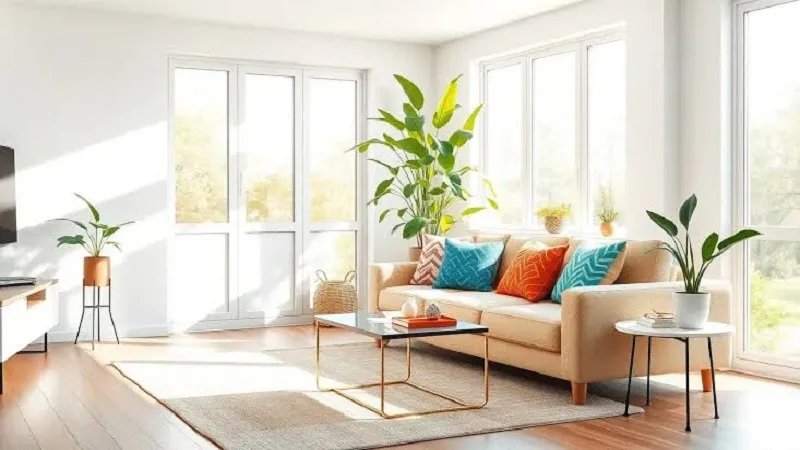
Home decorating can sometimes feel like trying to solve a puzzle with hundreds of pieces scattered across the floor. You have furniture, colors, lighting, artwork, storage, textures, and countless design trends competing for attention, yet the real goal is surprisingly simple: create a home that looks good and works well for the people living in it. latest decoratoradvice .com is a search phrase associated with online content focused on home décor, interior design ideas, practical decorating guidance, and modern home improvements. Current information available online shows that DecoratorAdvice.com describes itself as a resource covering home decoration, home exteriors, and practical home tips and guides.
The current DecoratorAdvice website also emphasizes making home design approachable rather than treating decorating as something reserved for professional designers. Its stated focus includes choosing furniture and décor accents, arranging rooms for comfort and style, improving exterior spaces, and finding practical solutions for everyday home projects. That approach matters because most homeowners are not trying to create a showroom. They want a comfortable living room, a bedroom that feels relaxing, a kitchen that functions smoothly, and outdoor areas that are enjoyable to use. Good decorating advice should therefore connect visual appeal with everyday practicality rather than asking homeowners to sacrifice one for the other.
The Purpose of the Platform
One reason people search for latest decoratoradvice .com is that decorating information changes constantly. New furniture styles appear, color preferences evolve, technology becomes part of home design, and homeowners discover new ways to use existing spaces. DecoratorAdvice.com currently organizes its material around areas such as decorating the home, exterior design, and home tips and guides.
This kind of organization can make research easier. Instead of treating decorating as one enormous subject, homeowners can approach it room by room or problem by problem. Someone looking for ideas for a living room may need help with furniture placement, while another person may be more interested in improving a patio or finding better storage. A useful design resource should help both people start from their actual needs. The strongest decorating decisions usually happen when inspiration is followed by a practical question: How will this idea work in my home?
Main Topics Covered
Modern decorating resources tend to cover a wide range of subjects because home design itself has become broader. Current DecoratorAdvice content includes areas such as home décor, outdoor living, smart-home trends, and practical home-related guides. Its recent articles also include subjects such as personality in home and garden design, floating staircases, smart-home trends, and outdoor living.
That variety is useful because decorating is rarely isolated from the rest of the home. A beautiful room can still feel uncomfortable if its lighting is poor. A stylish kitchen can become frustrating if storage is inadequate. A gorgeous garden can be underused if there is nowhere comfortable to sit. Thinking about the entire living experience makes decorating more meaningful. Instead of buying objects simply because they look attractive, you begin asking whether each choice contributes to comfort, convenience, personality, or atmosphere.
Why Modern Homeowners Need Practical Decorating Advice
The internet has made inspiration incredibly easy to find, but that does not always make decorating easier. Open any social platform and you can encounter hundreds of perfectly styled rooms within minutes. The problem is that inspiration photographs rarely show the full story: the room’s measurements, the homeowner’s budget, maintenance requirements, family routines, or the amount of natural light available. latest decoratoradvice .com content can be useful as a starting point when you want ideas, but every design suggestion should ultimately be adapted to your own circumstances.
A practical approach begins with observation. Observe how the room looks and feels at different times of the day. Notice where sunlight enters, where people naturally walk, where clutter accumulates, and which areas feel empty. Think about how you actually use the space rather than how you wish you used it. If your family regularly gathers around the television, for example, furniture should support that activity rather than simply imitate a magazine layout.
Balancing Style and Function
A successful interior is a little like a well-designed vehicle: it should look appealing, but everything also needs to work. A sofa should be comfortable enough for regular use. A coffee table should leave enough space for movement. Lighting should support both relaxation and practical tasks. Storage should be accessible instead of forcing you to move three decorative objects just to reach something you use every morning.
This balance is one of the most useful principles in modern decorating. Rather than focusing only on whether something looks trendy, consider three simple questions: Does it look appealing, is it practical, and will I still appreciate it once the trend has faded? Those questions help separate short-lived decoration from genuinely useful design. They also encourage homeowners to spend money where it has the greatest impact, rather than constantly replacing inexpensive accessories.
Decorating for Real Life
A home should support the people who live in it. That sounds obvious, yet it is easy to forget when copying designs from photographs. Families with children may need durable fabrics and accessible storage. People working from home may need dedicated lighting and an ergonomic workspace. Someone living in a small apartment may need furniture that performs multiple jobs.
This is where modern decorating advice becomes especially valuable. Current DecoratorAdvice material describes its purpose as helping readers make homes beautiful while keeping them functional, and its coverage extends from interior arrangements to exterior spaces and everyday home improvements. The central idea is simple: your home does not need to look like somebody else’s home. It needs to make sense for your life.
Key Home Décor Ideas to Explore
One of the easiest ways to improve a room is to establish a clear visual direction before buying anything new. You do not necessarily need a strict design label such as minimalist, industrial, traditional, or contemporary. Instead, identify the qualities you want the room to communicate. Perhaps you want it to feel warm, calm, bright, natural, sophisticated, or energetic.
Once you know that feeling, select colors, materials, furniture, and accessories that support it. This creates a visual thread throughout the room. Without that thread, a space can quickly become a collection of unrelated purchases. latest decoratoradvice .com searches often lead readers toward broad decorating inspiration, but the most useful approach is to turn inspiration into a clear personal plan before spending money.
Choosing a Cohesive Color Palette
Color can completely change how a room feels. Light neutral colors can help a compact room appear more open, while deeper shades can create a more intimate atmosphere. Warm colors may make a space feel energetic or welcoming, while cooler tones can contribute to a calmer visual impression.
You do not need to cover every wall in a dramatic color to make an impact. A restrained palette can actually provide greater flexibility. Choose a dominant color, a supporting shade, and one or two accent tones. Then introduce those colors through walls, textiles, artwork, furniture, and accessories. The result feels coordinated without becoming monotonous.
Improving Furniture Arrangement
Furniture placement is another area where a small adjustment can produce a surprisingly large improvement. Start by considering movement. People should be able to enter, leave, sit, and move around the room without constantly navigating obstacles.
Next, establish a focal point. It might be a fireplace, large window, artwork, television, architectural feature, or another element that naturally attracts attention. Arrange furniture around the room’s purpose and focal point instead of pushing everything against the walls automatically. Sometimes bringing a sofa slightly into the room creates a more intimate and intentional arrangement.
Using Lighting and Accessories Effectively
Lighting should not be treated as an afterthought. A room can have excellent furniture and still feel flat if the lighting is harsh or poorly positioned. Try combining general illumination with task lighting and softer accent lighting so the room can change according to the activity.
Accessories work in a similar way. Instead of filling every empty surface, choose pieces that contribute something meaningful. A large artwork, textured rug, carefully selected plant, or distinctive lamp can have more impact than a dozen small decorations. The goal is not to decorate every available centimeter; it is to create visual rhythm and personality.
Creating More Functional Living Spaces
The most effective home improvements often solve a problem at the same time as they improve appearance. A storage bench can provide seating and hide everyday items. Shelving can display books and artwork while using vertical space. A console can organize entryway essentials while creating a surface for decorative objects.
This principle is particularly important in smaller homes. When floor space is limited, every piece of furniture should earn its place. Look upward as well as outward. Tall shelves, wall-mounted storage, hooks, and vertical cabinets can provide useful capacity without consuming much floor area.
Smart Storage and Organization
Clutter can make even a beautifully decorated room feel chaotic. The solution does not always require buying more storage containers. Sometimes the better answer is to reduce what needs storing in the first place. Go through items periodically and decide what you actually use.
After reducing unnecessary belongings, organize what remains according to frequency of use. Everyday objects should be easy to reach, while seasonal or occasional items can occupy less accessible storage. This simple system can make a home feel calmer without requiring a major renovation.
Making Small Rooms Feel Larger
Small rooms benefit from visual simplicity. Excessively large furniture can dominate the space, while too many patterns can make the room feel busy. Choose appropriately scaled furniture and maintain clear pathways.
Mirrors can also help reflect light and create the impression of additional depth, while lighter visual treatments can prevent the room from feeling enclosed. The trick is not to make every object tiny. Instead, create enough breathing room around important pieces so the room feels intentional rather than crowded.
Bringing Personal Style Into Your Home
Trends can be useful sources of inspiration, but a home becomes much more interesting when it includes personal elements. Family photographs, books, travel memories, handmade objects, artwork, or inherited furniture can give a room a story that cannot be purchased from a catalog.
Current online discussions around latest decoratoradvice .com frequently connect modern home styling with personalization and practical living. That is an important distinction. Modern design does not have to mean an impersonal room filled with identical fashionable objects. It can mean choosing contemporary ideas while preserving the things that make your home feel like yours.
Mixing Trends With Timeless Pieces
A smart decorating strategy is to keep expensive or difficult-to-replace elements relatively timeless and use smaller accessories to experiment with trends. A sofa, flooring, or kitchen cabinetry may stay for years, while cushions, artwork, lamps, or smaller decorative pieces can change much more easily.
This approach reduces the pressure to chase every new trend. If a particular style becomes popular, you can borrow the elements you genuinely like without rebuilding your entire home. Think of trends as ingredients rather than recipes. You can use them selectively and still create something distinctly your own.
Conclusion
Decorating a home does not have to be an endless cycle of buying, replacing, and following whatever style happens to be popular this month. The better approach is to understand your space, identify how you live, establish a visual direction, and then make thoughtful improvements one step at a time. Current DecoratorAdvice.com material presents home decorating as a combination of beauty, functionality, practical guidance, exterior improvements, and everyday home solutions.
For anyone researching latest decoratoradvice .com, the most useful takeaway is that online decorating resources work best as sources of ideas rather than rigid instructions. Take inspiration from current trends, but measure every idea against your room, lifestyle, budget, and personal taste. A successful home is not necessarily the one with the most expensive furniture or the newest design style. It is the one where the layout feels natural, the colors feel comfortable, the objects have purpose, and the people living there genuinely enjoy being at home.
Frequently Asked Questions
1. What is DecoratorAdvice.com?
DecoratorAdvice.com is an online home-design resource covering areas such as interior decorating, exterior spaces, and practical home tips and guides. Its current About Us page describes its goal as helping people create homes that are both beautiful and functional.
2. What type of decorating information can I find online?
You can find information about color schemes, furniture arrangement, lighting, accessories, storage, outdoor spaces, DIY projects, smart-home ideas, and general home improvements. The specific topics available change as new articles are published.
3. Is following every new decorating trend necessary?
No. Trends can provide inspiration, but they do not automatically suit every home. Consider your room’s size, natural light, lifestyle, budget, and personal preferences before adopting a particular trend.
4. How can I decorate without spending a lot of money?
Start with layout, decluttering, cleaning, and rearranging furniture before purchasing anything. Then consider relatively inexpensive changes such as textiles, lighting, artwork, plants, and carefully selected accessories.
5. Where can I find current DecoratorAdvice content?
The current DecoratorAdvice website publishes articles across decorating, home exterior, and home tips categories, while its blog also features newer home-related topics.