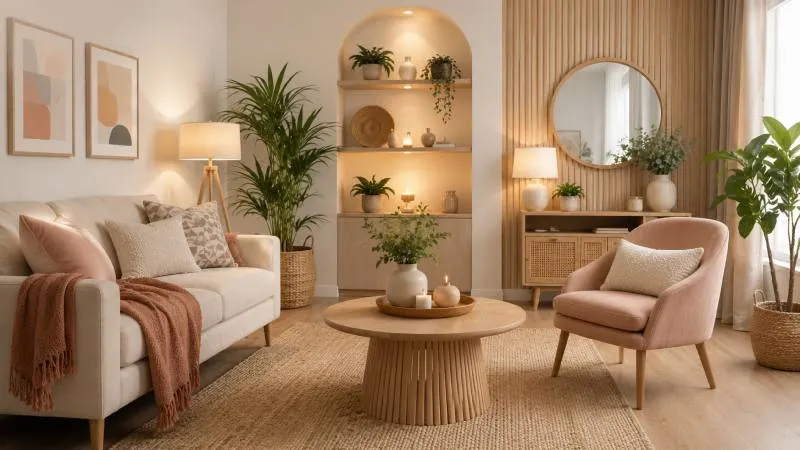
Decorating a home is about more than simply adding attractive furniture, artwork, or accessories. A well-decorated space should feel comfortable, organized, practical, and reflective of the people who live there. Whether you are refreshing one room or redesigning your entire home, thoughtful choices can make a noticeable difference without requiring a large budget.
Modern homeowners have many options when it comes to colors, furniture, lighting, textures, and decorative accessories. However, having too many choices can sometimes make decorating confusing. A simple plan can help you create rooms that look balanced while still feeling personal.
This guide explores practical decoration tips decoradhouse from decoratoradvice that can help you improve your living space. From choosing a suitable color palette to arranging furniture and adding finishing touches, these ideas can make your home more inviting and visually appealing.
Start With a Clear Decorating Plan
Before buying anything new, decide what you want to achieve with the room. Think about how you currently use the space and what feels uncomfortable or incomplete.
For example, a living room may need better seating, improved lighting, additional storage, or simply a fresh appearance. Identifying the main problem first prevents unnecessary purchases.
Create a simple list of priorities. You can divide your decorating project into three categories: essential changes, useful improvements, and decorative additions. This approach helps you manage your budget and keeps the project organized.
Measure your room before buying furniture to understand the available space and avoid making it feel overcrowded with oversized pieces.
Choose a Consistent Color Palette
Color is one of the easiest ways to change the atmosphere of a room. A coordinated palette can make different furniture pieces and accessories feel connected.
Start with a main color and then choose one or two complementary shades. Neutral colors such as white, beige, gray, and soft brown can create a calm foundation. You can then introduce stronger colors through cushions, rugs, curtains, artwork, or other accessories.
You do not need to use the same color everywhere. Instead, repeat selected shades in different parts of the room. For example, a soft green wall accent could be complemented by green cushions and small decorative objects.
Consider how much natural light the room receives when choosing your colors. Darker rooms may benefit from lighter shades, while rooms with abundant sunlight can accommodate deeper tones.
Arrange Furniture Around the Room’s Purpose
Furniture should match the way you use and enjoy each room. A beautiful arrangement can still be inconvenient if people cannot move comfortably through the space.
In a living room, position seating so that conversation feels natural. Avoid pushing every piece of furniture against the walls if the room allows a more balanced arrangement.
For bedrooms, leave enough walking space around the bed and ensure that storage areas remain accessible. In dining rooms, make sure chairs can be pulled out comfortably without hitting walls or other furniture.
The goal is to create an arrangement that feels open without leaving the room looking empty.
Use Lighting to Create a Better Atmosphere
Lighting can dramatically influence the appearance of a decorated room. Instead of depending on a single ceiling fixture, consider combining several types of lighting.
Ambient lighting provides general illumination, while task lighting can brighten areas used for reading, working, or cooking. Accent lighting can highlight artwork, shelves, plants, or architectural details.
Table lamps and floor lamps are also useful because they can introduce warmth and visual interest. Adjustable lighting gives you greater flexibility throughout the day.
Natural light should also be considered. Keep windows reasonably clear and use curtains or blinds that allow you to control brightness and privacy.
Add Texture for Visual Interest
A room can have attractive colors and furniture but still feel flat if everything has a similar texture. Introducing different materials can make the space more interesting.
Consider combining materials such as wood, cotton, wool, glass, metal, and natural fibers. A soft rug can add warmth beneath a wooden coffee table, while textured cushions can make a sofa more inviting.
Throws, curtains, woven baskets, and fabric accessories are simple ways to introduce texture without replacing major furniture pieces.
The key is balance. Too many competing textures can make a room look cluttered, so select a few that complement one another.
Decorate With Artwork and Personal Items
Decorations should tell something about your personality. Artwork, photographs, books, travel souvenirs, and meaningful objects can make a home feel more personal.
When displaying artwork, consider the scale of the wall and surrounding furniture. A small picture may disappear above a large sofa, while an oversized piece can dominate a smaller wall.
You can also create a gallery wall using several smaller pieces. Keep some visual consistency through similar frames, colors, or themes.
Personal items should be displayed selectively. Instead of covering every shelf with decorations, choose pieces that have meaning or contribute to the room’s overall style.
Bring Nature Indoors
Plants can add color, texture, and life to almost any room. They can work particularly well in spaces that use neutral furniture and natural materials.
Choose plants according to the available light and the amount of care you can provide. Low-maintenance plants can be useful for people who have busy schedules.
If live plants are not practical, dried flowers or high-quality artificial plants can provide a similar decorative effect. Natural materials such as wooden trays, woven baskets, and stone accessories can also strengthen an organic design theme.
Using greenery thoughtfully is another useful part of decoration tips decoradhouse from decoratoradvice, especially when you want a room to feel fresh without making major changes.
Make Small Spaces Feel Larger
Small rooms require careful planning. Choosing appropriately sized furniture is often more effective than simply adding more storage.
Light colors, mirrors, and furniture with visible legs can help create a sense of openness. Keeping pathways clear also makes a compact room easier to use.
Use vertical space when possible. Tall shelves, wall-mounted storage, and vertical artwork can draw the eye upward while keeping valuable floor space available.
Avoid filling every corner. A little empty space can make a small room feel more comfortable and organized.
Create Functional Storage Solutions
Good decoration should also improve everyday living. Storage can keep clutter under control while contributing to the room’s visual appearance.
Use baskets, cabinets, shelves, storage benches, and decorative boxes to organize frequently used items. Choose storage pieces that complement your existing furniture.
Open shelving works well for books and carefully selected decorations, while closed storage is useful for items that you do not want constantly visible.
Before purchasing additional storage, review what you already own. Removing unused items can sometimes solve a storage problem without adding anything new.
Refresh Your Home Without Overspending
Decorating does not always require expensive purchases. Small updates can produce noticeable results.
Try rearranging furniture, changing cushion covers, adding a new rug, updating lampshades, or moving artwork to a different wall. Even changing the placement of decorative objects can give a familiar room a different appearance.
Secondhand furniture can also provide affordable options. Older pieces may be refreshed with paint, new hardware, or updated upholstery.
Focus your spending on items that provide both practical and visual value. A quality sofa, durable rug, or useful storage solution may be more worthwhile than purchasing many inexpensive accessories.
Avoid Common Decorating Mistakes
One common mistake is buying decorative items before developing an overall plan. This can lead to mismatched colors, unnecessary clutter, and wasted money.
Another problem is using too many different design styles in one room. Mixing styles can work, but there should still be some connection between the pieces.
Furniture scale is also important. A large sofa in a small room can make movement difficult, while very small furniture can make a large room feel unfinished.
Avoid following every trend. Trends can provide inspiration, but your home should ultimately reflect your lifestyle and preferences.
These practical decoration tips decoradhouse from decoratoradvice can help you focus on creating a space that remains useful and attractive rather than simply following temporary design trends.
Pay Attention to the Finishing Details
Once the main furniture and colors are established, small details can complete the room. Cushions, candles, books, vases, artwork, and decorative trays can provide finishing touches.
However, accessories should be arranged intentionally. Grouping objects in odd numbers, varying their heights, and leaving some empty space can create a more balanced display.
Think about what you see when entering the room. A carefully styled console table, attractive artwork, or interesting plant can create a strong first impression.
The best finishing touches are those that support the room’s existing design rather than competing with it.
Keep Your Decorating Style Flexible
Your home does not need to remain exactly the same year after year. As your lifestyle changes, your decorating needs may change too.
You can refresh a room seasonally by changing textiles, decorative accessories, or small pieces of artwork. Larger furniture can remain neutral while smaller items provide opportunities for experimentation.
This flexible approach makes decorating more affordable and allows you to explore different styles without completely redesigning your home.
Another important part of decoration tips decoradhouse from decoratoradvice is remembering that good design should serve the people who live in the home. A beautiful room is most successful when it is also comfortable and practical.
Final Thoughts
Home decoration becomes easier when you focus on balance, comfort, function, and personal style. You do not need to replace everything to create a noticeable improvement. Small changes in color, lighting, furniture arrangement, storage, texture, and accessories can transform an ordinary room.
Start with a clear plan and make changes gradually. Consider how each item contributes to the room instead of buying decorations simply because they look attractive individually.
Ultimately, the best home is one that feels welcoming and works well for everyday life. With thoughtful planning and these decoration tips decoradhouse from decoratoradvice, you can create a space that looks polished while remaining comfortable, practical, and uniquely yours.