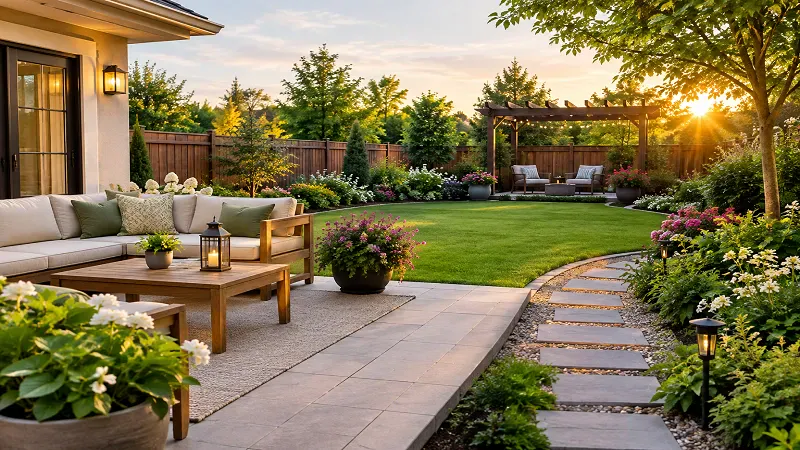
A beautiful garden can transform an ordinary outdoor area into a welcoming place for relaxation, entertainment, and everyday enjoyment. Whether you have a spacious backyard, a compact patio, or a small garden corner, thoughtful planning can make the space more attractive and functional.
Good garden design is not simply about adding plants. It involves choosing suitable greenery, organizing outdoor furniture, improving soil, managing sunlight, and creating a layout that matches your lifestyle. With practical planning, even a simple yard can become a comfortable outdoor retreat.
This guide to decoradyard garden tips by decoratoradvice explores practical ideas for improving your garden while keeping maintenance, appearance, and functionality in mind.
Start With a Clear Garden Plan
Before purchasing plants, furniture, pots, or decorations, take some time to understand your outdoor space. Measure the available area and identify sunny, shaded, windy, and frequently used sections.
Think about how you want to use the garden. Some homeowners prefer a quiet area for reading, while others want space for children, outdoor dining, gardening, or entertaining guests.
A basic plan can prevent overcrowding and unnecessary spending. Mark existing trees, pathways, fences, doors, and other permanent features. Then decide where plants, seating areas, decorative elements, and storage could fit naturally.
Planning also helps you create a balanced appearance. Instead of placing everything in one section, distribute major features throughout the yard.
Choose Plants According to Your Space
One of the most important gardening decisions is selecting plants that can thrive in your particular environment. Consider sunlight, soil conditions, available water, temperature, and the amount of maintenance you are willing to provide.
Plants that require full sunlight may struggle in heavily shaded areas. Similarly, moisture-loving plants may not perform well in dry locations.
Choose a mixture of plants with different heights and textures. Ground-cover plants can fill empty spaces, medium-sized flowers can add visual interest, and taller shrubs or small trees can provide structure.
Native or locally adapted plants can also be useful because they are often better suited to the existing climate and growing conditions.
Create Attractive Garden Zones
Dividing your yard into different zones can make the entire space feel more organized. You might create a planting zone, seating area, dining section, pathway, and small relaxation corner.
For example, a seating area could be positioned near attractive flowers or greenery. A dining space might work better on a level surface close to the house. A gardening section could be placed somewhere with convenient access to water.
Garden zones do not always require expensive construction. Changes in plant height, paving materials, containers, or furniture placement can visually separate different areas.
The goal is to make each section serve a clear purpose while maintaining a connected overall design.
Improve the Soil Before Planting
Healthy soil provides a strong foundation for a successful garden. Before planting, examine whether the soil is compacted, overly sandy, heavy with clay, or lacking organic material.
Adding suitable organic matter can improve soil structure and help plants establish healthy roots. Compost is commonly used to increase organic content and improve moisture management.
Avoid assuming that every plant needs exactly the same soil conditions. Different species have different requirements, so check their growing needs before making major soil changes.
Good soil preparation may require more effort at the beginning, but it can make future gardening easier and support healthier plants.
Use Containers for Flexible Decoration
Containers are an easy way to introduce color and greenery without permanently changing the yard. They are particularly useful for patios, balconies, entrances, and small gardens.
Choose containers that complement the overall style of your outdoor space. Simple ceramic, terracotta, stone-look, or modern planters can create very different visual effects.
You can also group containers at different heights to create a layered display. However, avoid using too many styles at once because excessive variation can make the space look cluttered.
Containers also allow you to change seasonal displays. Flowers, herbs, and decorative foliage can be moved or replaced when your garden needs a fresh appearance.
Add Comfortable Outdoor Seating
A garden becomes much more useful when there is a comfortable place to sit. Depending on the available space, consider a bench, chairs, outdoor sofa, or compact dining set.
Position seating where you can enjoy the best view of the garden. If possible, place it near shade or create shade with an umbrella, pergola, or suitable planting.
Comfort should be considered alongside appearance. Outdoor furniture should be durable enough for the local weather and easy to maintain.
Cushions and outdoor textiles can add color, but they should be stored appropriately when exposed to rain or harsh weather.
Design Practical Garden Pathways
Pathways help connect different parts of the garden while adding structure to the landscape. They can lead visitors from the house to a seating area, garden bed, shed, or other outdoor feature.
A pathway does not need to be elaborate. Gravel, stepping stones, brick, pavers, or other suitable materials can create an attractive route.
Think about how people naturally move through the space. A pathway that is too narrow, slippery, or difficult to maintain can become frustrating.
Curved paths can create a relaxed appearance, while straight paths often provide a cleaner and more formal look. Choose a design that matches the character of your home and garden.
Introduce Lighting for Evening Use
Outdoor lighting can extend the usefulness of a garden after sunset. It can also highlight plants, pathways, seating areas, and architectural features.
Pathway lights can make walking areas easier to navigate, while subtle accent lighting can draw attention to trees, walls, or planting beds.
Avoid making every area extremely bright. A combination of softer lighting and focused illumination often creates a more comfortable atmosphere.
Solar-powered lights may be convenient in suitable locations, while wired lighting can provide more consistent performance. Always follow appropriate electrical safety requirements when installing outdoor lighting.
Keep Garden Maintenance Manageable
A beautiful garden should also be practical to maintain. Before adding large numbers of plants, consider how much time you can realistically spend watering, pruning, weeding, mowing, and cleaning.
Low-maintenance planting can reduce regular work. Mulching garden beds can help suppress weeds and conserve soil moisture, while grouping plants with similar water requirements can simplify irrigation.
Do not create a garden that looks impressive initially but becomes difficult to manage later. A simpler, well-maintained garden often looks better than an overcrowded space that receives little attention.
One of the most useful decoradyard garden tips by decoratoradvice is to design around your available time as well as your available space.
Add Privacy Without Making the Yard Feel Closed
Privacy can make an outdoor area more comfortable, especially when neighboring properties are close by. Fences, screens, shrubs, trees, and climbing plants can all contribute to privacy.
However, completely blocking the garden can make a small yard feel even smaller. Consider partial screening instead.
For example, a row of shrubs can soften a boundary without creating a solid wall. A trellis with climbing plants can add height while maintaining an open feeling.
Privacy solutions should also consider sunlight and airflow. Large structures or dense planting can affect both, so plan carefully before installation.
Use Color With Purpose
Color can dramatically influence the atmosphere of a garden. Flowers, pots, furniture, cushions, walls, and decorative objects can all introduce color.
Instead of selecting many unrelated colors, choose a simple palette. Two or three main colors can create a more coordinated appearance.
Green foliage provides a natural foundation, while flowers can introduce seasonal highlights. Neutral furniture can allow colorful plants to become the main visual focus.
Remember that garden color changes throughout the year. Select plants with different flowering periods if you want interest across multiple seasons.
Reuse Materials and Garden Items
Improving a garden does not always require buying everything new. Existing materials can often be cleaned, repaired, repainted, or repurposed.
Old containers can become planters, unused timber may be suitable for simple garden projects, and existing furniture can sometimes be refreshed with outdoor-appropriate finishes.
Reusing materials can reduce waste and help control project costs. However, make sure repurposed materials are structurally safe and suitable for outdoor conditions.
Creative reuse can also give your garden more personality because the finished space feels less like a collection of mass-produced items.
Consider Water Management
Water control plays a vital role in effective garden planning. Poor drainage can cause standing water, root problems, erosion, and damage to nearby surfaces.
Observe where rainwater naturally collects after heavy rainfall. If certain areas remain wet for long periods, investigate drainage before adding plants or decorative features.
At the same time, avoid wasting water through unnecessary irrigation. Water plants according to their actual needs and consider methods that deliver water close to the roots.
Rainwater collection may also be useful where appropriate and permitted. The most effective solution depends on the local climate, garden design, and available resources.
Maintain the Garden Through Every Season
Garden planning should account for how the outdoor space will appear in every season. Some plants may provide flowers during one season but little visual interest afterward.
Evergreen plants, attractive foliage, ornamental grasses, shrubs, and seasonal flowers can help create a more balanced appearance.
Regular maintenance should include removing dead plant material, checking containers, pruning where appropriate, cleaning outdoor furniture, and inspecting pathways.
Seasonal maintenance also provides an opportunity to rearrange containers or introduce small decorative changes without completely redesigning the garden.
Make the Garden Reflect Your Lifestyle
A great garden does not need to be expensive or elaborate; it simply needs to suit the needs and lifestyle of those who enjoy it.
If you enjoy entertaining, prioritize seating and dining. If you love gardening, dedicate more room to planting beds. For a relaxing outdoor retreat, prioritize cozy seating, lush greenery, natural shade, and gentle lighting.
Families may need open areas for movement and activities, while homeowners with limited time may prefer simple planting and durable surfaces.
These decoradyard garden tips by decoratoradvice emphasize the importance of combining visual appeal with practical everyday use.
Final Thoughts
Creating an attractive garden is an ongoing process rather than a one-time project. Start with a realistic plan, choose plants suited to your conditions, organize the space into useful zones, and add features that support the way you actually live.
You do not need a huge budget to make meaningful improvements. Small changes such as containers, comfortable seating, better pathways, thoughtful lighting, and healthy planting can produce noticeable results.
The most valuable decoradyard garden tips by decoratoradvice are centered on balance: combine beauty with function, decoration with maintenance, and creativity with practical planning. With consistent care and thoughtful choices, your outdoor space can become a comfortable extension of your home.
Pingback: Decadgarden Yard Tips by DecoratorAdvice | Hometrotters - Home Trotters